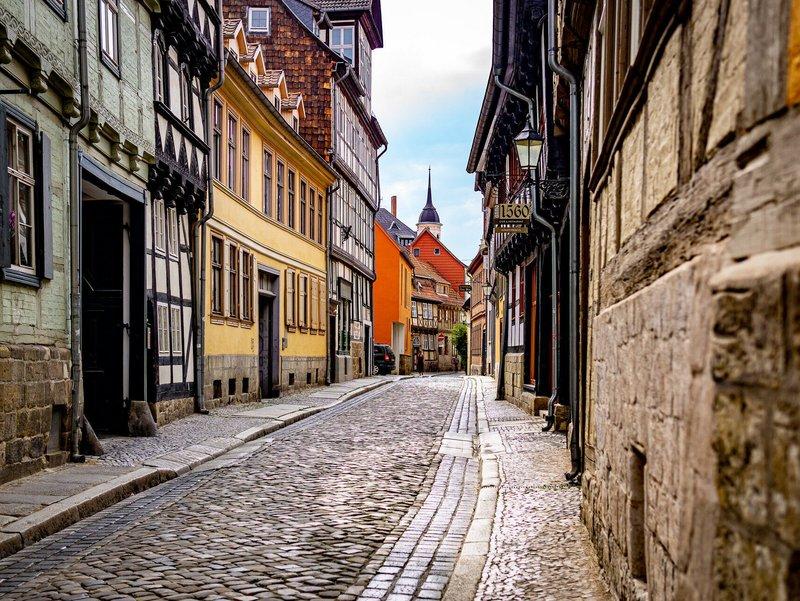
Cobblestone Streets are a distinctive feature of many historic European towns and cities. Made from natural stones carefully placed together, these streets have been used for centuries and were once an important method of creating durable roads before modern asphalt became common.
Walking along a cobblestone street often gives visitors a feeling of stepping back in time. The uneven stones, historic buildings, small cafés, traditional shops, and narrow lanes create a charming atmosphere. They are particularly common in the old towns of France, England, Italy, Belgium, and other parts of Europe.
In France, cobblestone streets can be found in historic areas of cities such as Paris, Lyon, and Rouen. In England, historic cities and towns such as Oxford, York, and Bath also contain streets and lanes with traditional stone paving.
Besides their visual appeal, cobblestone streets are an important part of European architectural and urban heritage. Many have been preserved because they contribute to the historic character of their surroundings.
For travelers, these streets are especially enjoyable for walking, photography, sightseeing, and discovering local cafés and shops. However, their uneven surfaces can sometimes make walking or cycling less comfortable.
Overall, cobblestone streets are a simple but memorable part of Europe's historic charm.