The Tower of London is one of the most famous historic landmarks in London, England. Located beside the River Thames, the fortress has played an important role in English and British history for almost 1,000 years.
The central White Tower was begun by William the Conqueror in the late 11th century after the Norman Conquest of England. Over the centuries, the complex was expanded with additional walls, towers, and defensive structures, creating the impressive fortress seen today.
The Tower has served many purposes throughout its history. It has been a royal palace, fortress, prison, armory, and treasury. Several notable historical prisoners were held there, and the site became associated with important and sometimes dramatic events in English history.
One of the Tower's most famous attractions today is the Crown Jewels, a collection of precious royal crowns, ceremonial objects, and other regalia. Visitors can see these historic treasures as part of a tour of the fortress.
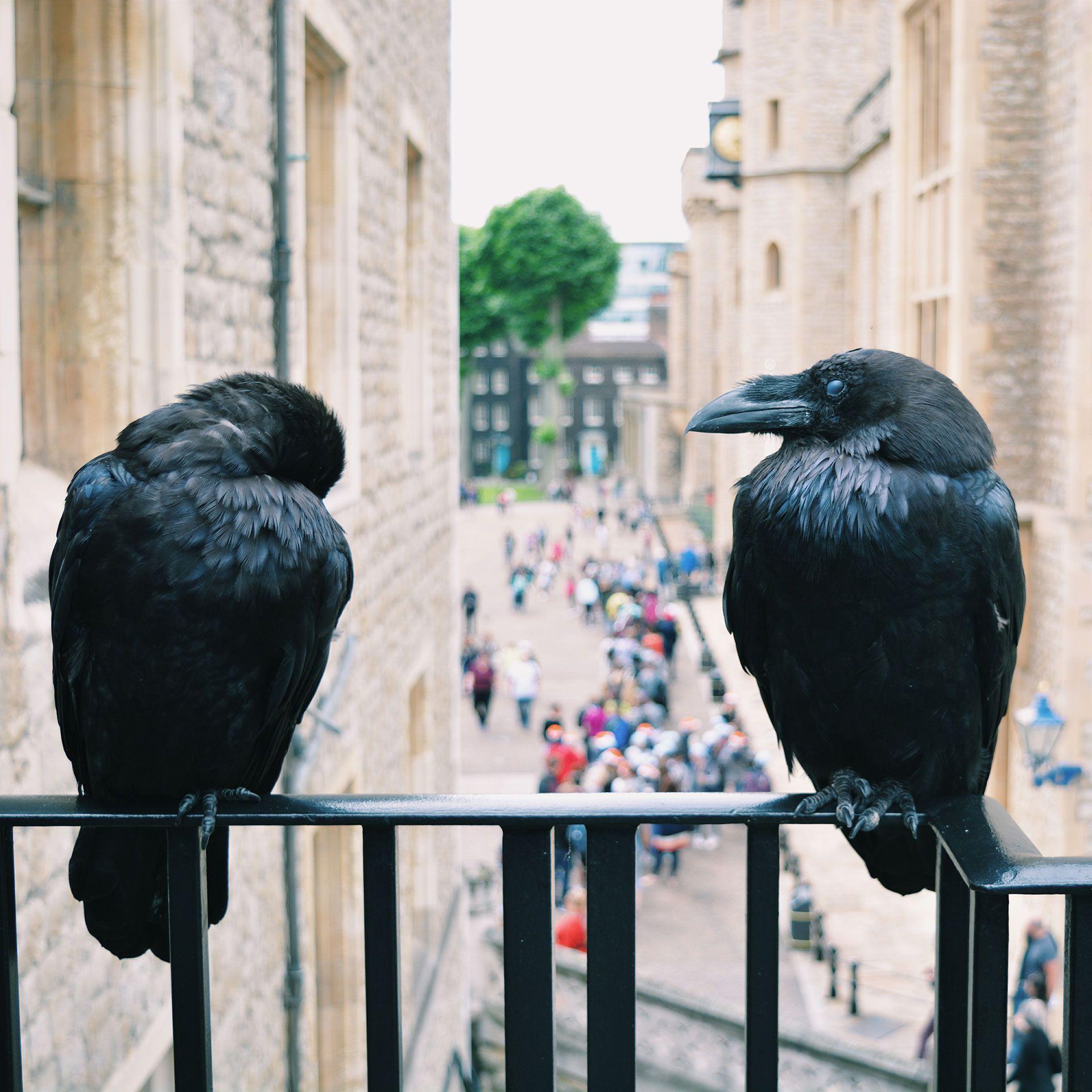
The Tower is also famous for its ravens. According to a long-standing tradition, ravens are kept at the Tower, and they have become an important part of its identity.
Today, the Tower of London is a UNESCO World Heritage Site and one of the city's major historical attractions. Its architecture, royal connections, and centuries of history make it an important place to visit while exploring London.